


1. Introduction
A few years ago, most financial activities depended heavily on traditional banks. Today, users expect to manage spending, transfer money, pay bills, and track savings-all from a single app. This shift is driving the rapid growth of personal finance apps in 2026.
Modern finance apps offer features like instant alerts, smart budgeting, and automated expense tracking, making money management simpler and more convenient. As demand continues to rise, businesses are investing heavily in finance app development to deliver faster, smarter, and more personalized fintech experiences.
What This Blog Covers
This blog explores:
- Why finance apps are growing rapidly
- How AI is changing financial experiences
- Features users now expect in fintech apps
- Why cross-platform development is becoming popular
- Trends shaping the future of digital finance
2. How AI Is Transforming Finance Apps
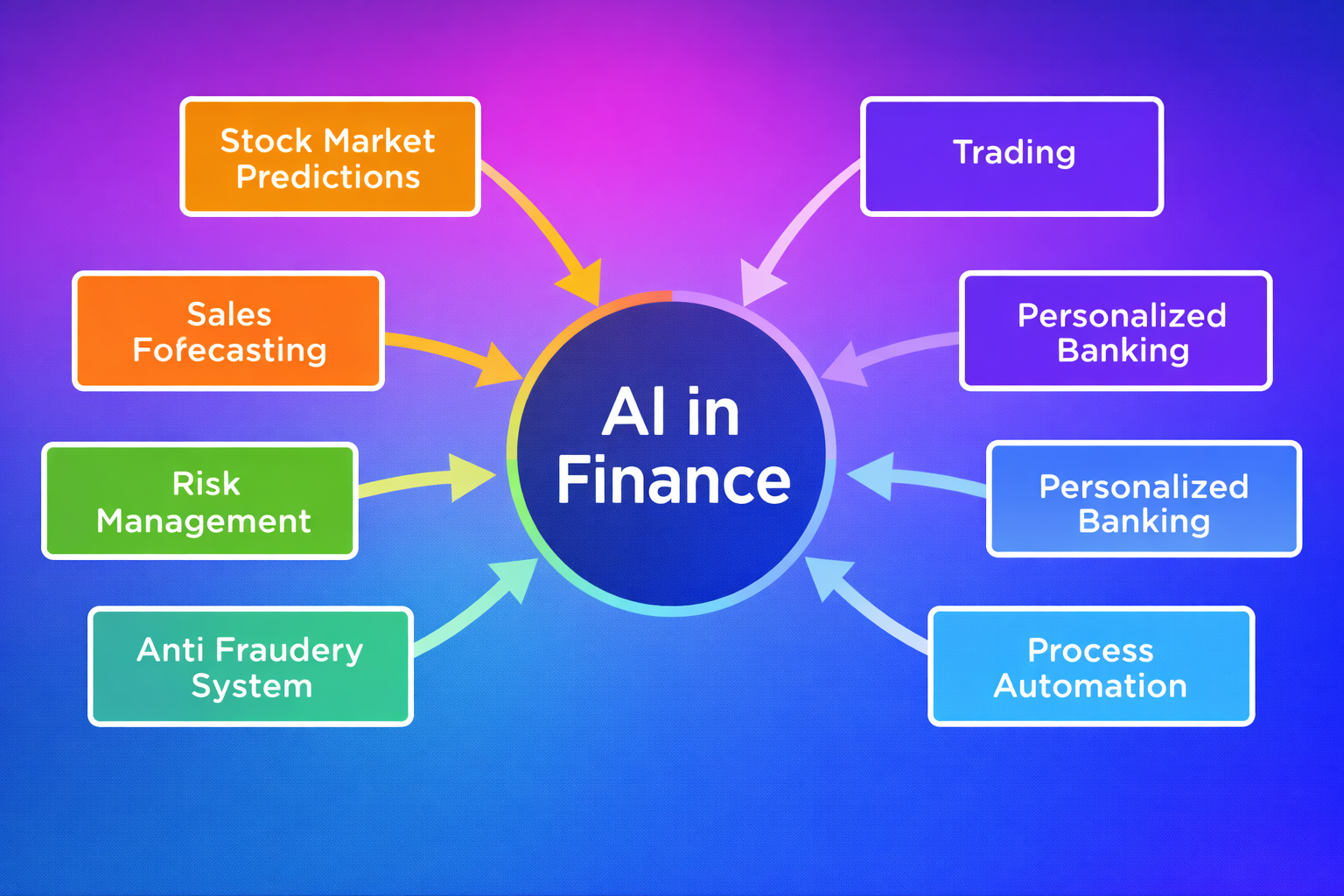
A lot of finance apps used to feel basic. They showed balances, transactions, and not much else. That’s changing quickly now.
With AI in finance apps, users are getting more than just financial data. Apps can now notice spending patterns, remind users about recurring bills, and even warn them before they overspend.
Someone ordering food too often might suddenly get a weekly spending summary. Another user could receive an alert about an unusual transaction within seconds.
Small things like this are making finance apps feel more useful in daily life.
AI is also reducing manual work. People don’t want to organize every expense themselves anymore. They expect the app to handle it quietly in the background while keeping everything simple and easy to understand.
3. Features Users Expect in Modern Finance Apps
Not long ago, most finance apps felt almost identical. You could check your balance, maybe transfer money, and that was about it. Users expect a lot more now.
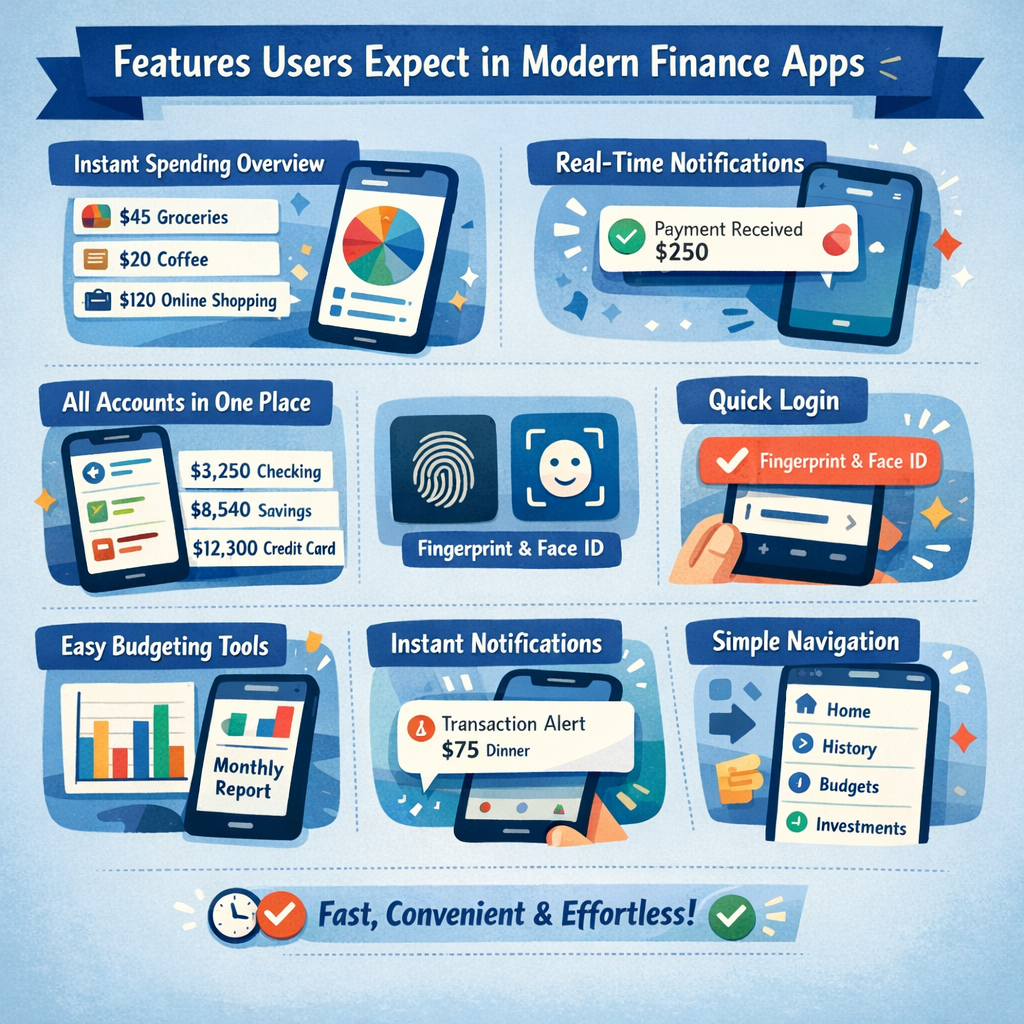
People want apps that save time. Something as simple as opening an app and instantly seeing where money went this week makes a big difference.
Small details matter too. A payment notification arriving immediately after a transaction feels reassuring. Seeing all bank accounts in one place feels convenient. Even faster login through fingerprint or face unlock changes how people interact with the app daily.
Many mobile banking apps are also trying to remove extra steps wherever possible. Users don’t want to search through menus just to find spending history or monthly reports.
The most successful personal finance apps right now are usually the ones that feel effortless. Users shouldn’t have to think too much while using them.
4. Why Cross-Platform Development Matters for Fintech Apps
A lot of fintech startups hit the same problem early: building separate apps for Android and iOS takes time, money, and honestly… patience most small teams don’t have.
That’s why cross-platform app development is becoming the default choice for many finance products.
Teams want to launch fast, test features quickly, and avoid maintaining two completely different codebases. For finance apps especially, constant updates are normal. Payment systems change. Security layers evolve. New features keep getting pushed every few weeks.
Using Flutter makes that process easier.
Many companies now work with the best FlutterFlow agency they can find because speed matters in fintech. Getting to market even a few months earlier can make a real difference when competition is growing this fast.
And users usually don’t care what framework was used anyway. They care about one thing, whether the app feels smooth when they open it.
5. Future of Personal Finance Apps
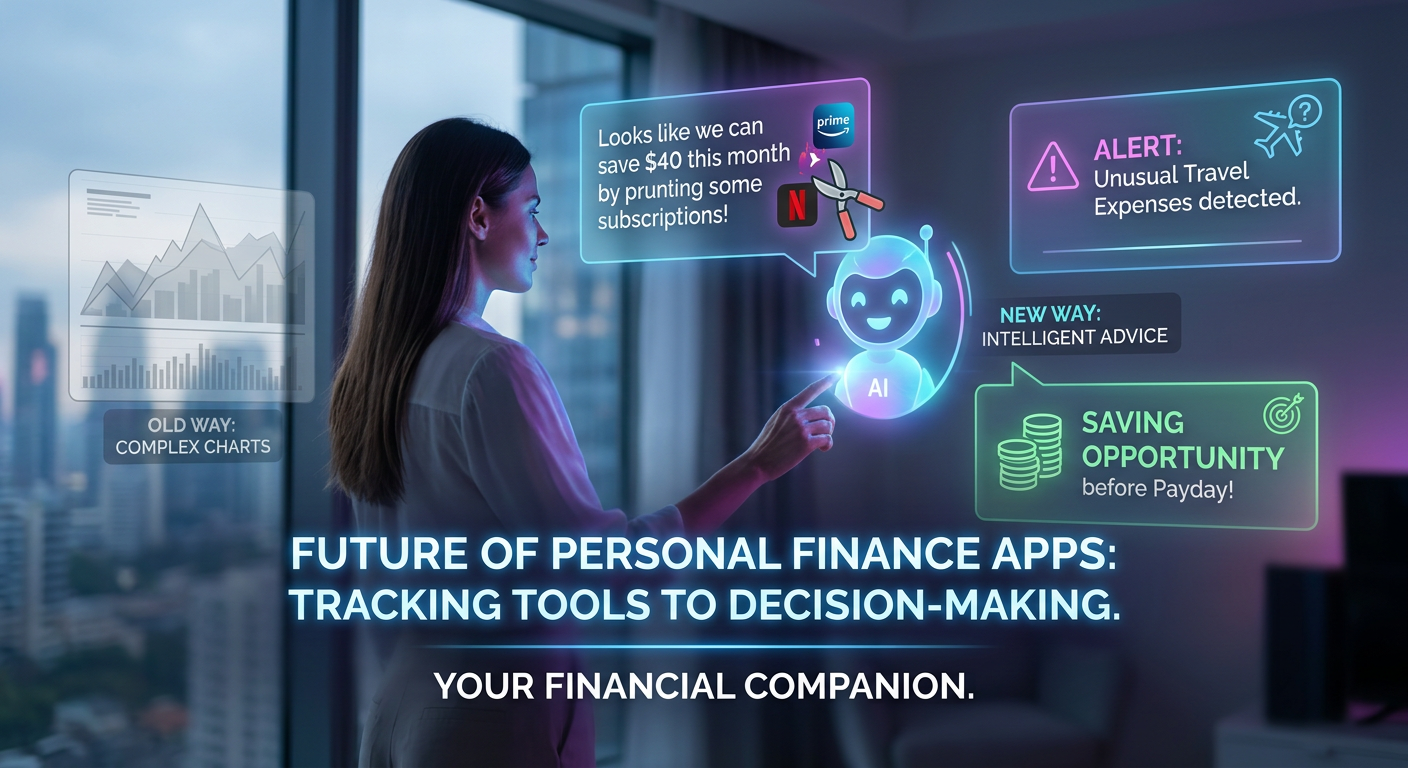
Finance apps are slowly moving from “tracking tools” to decision-making tools.
A few years ago, people mainly used them to check balances or review transactions. Now users expect apps to actually help manage money better. That shift is changing the direction of the entire fintech space.
We’re already seeing apps experiment with AI assistants that explain spending habits in plain language instead of charts nobody reads carefully anyway.
And personalization is getting deeper. One user might get reminders to cut subscription spending. Another could receive alerts about unusual travel expenses or saving opportunities before payday hits.
The next phase of personal finance apps will probably feel less like banking software and more like a financial companion running quietly in the background.
The companies investing in smarter finance app development today are positioning themselves early for that shift.
6. Conclusion
There’s a reason finance apps are getting opened multiple times a day now. People don’t want complicated banking experiences anymore. They want quick answers, faster payments, and a clearer picture of where their money is going.
That demand is pushing steady growth in personal finance apps across almost every market.
What’s interesting is how quickly user expectations changed. Features that felt premium not long ago, spending alerts, automated tracking, AI suggestions, are starting to feel basic.
Businesses have noticed that shift too. More companies are investing in finance app development, while many startups are choosing cross-platform app development to launch faster and keep development manageable.
FAQ
What are personal finance apps used for?
They help users manage expenses, savings, budgeting, investments, and payments from one mobile platform.
Are personal finance apps safe to use?
Most modern apps use encrypted systems, biometric login, and transaction verification to improve security.
Can finance apps help track daily expenses?
Yes. Many apps automatically organize spending and show where money is going in real time.
Why are mobile finance apps becoming so popular?
People prefer handling money from their phones instead of depending completely on traditional banking methods.
%20(1).jpg)

View more blogs

.png)

.png)

.png)



.png)
Ready to develop your own product? Get in touch today!
Get in Touch