



1. Introduction
Ask ten UK brand founders about custom apps and you will hear the same handful of beliefs: apps are only for giants, AI-built software is flimsy and Shopify plugins do everything anyway. Some of those beliefs are half true. Others cost brands money. This guide takes each one in turn, states the myth and then the reality, so you can decide whether to hire vibe coders for D2C ecommerce in UK projects or leave the idea alone.
ArixLabs is a Jaipur-based agency that builds with vibe coding, with senior engineers reviewing every AI-drafted change and 100+ production apps delivered. We wrote this for founders comparing options for D2C brand app development in UK, and for anyone wondering what a custom DTC app with vibe coding can honestly deliver.
2. Is a branded app worth it for D2C?
Myth: only big brands benefit from an app.
Reality: size matters less than behaviour. If your customers reorder often, such as skincare, coffee, pet food or supplements, an app can shorten the path from thought to order. If they buy once a year, it probably cannot. Before you hire vibe coders for D2C ecommerce in UK work, check what share of your revenue comes from repeat customers, and whether those customers would plausibly open an app.
2.1 What is the return on owning my channel?
Myth: an app pays for itself automatically.
Reality: it pays back only if it replaces spend or lifts repeat orders. Owned channels such as push messages reduce reliance on paid reminders. We would not quote a payback figure, because it depends on your repeat rate, order value and current ad costs. Model those three numbers, then decide whether a custom DTC app with vibe coding clears your bar.
2.2 When should a brand wait?
Myth: launching early is always better.
Reality: an app amplifies what already works. If your store has conversion problems, a changing catalogue or an unproven repeat rate, fix those first. Founders who hire vibe coders for D2C ecommerce in UK work too early often fund a second channel while the first leaks. Once the store is steady, ask a supplier of D2C brand app development in UK to price a custom DTC app with vibe coding.
3. How much does a D2C app cost in the UK?
Myth: AI-built means cheap, so the price should be tiny.
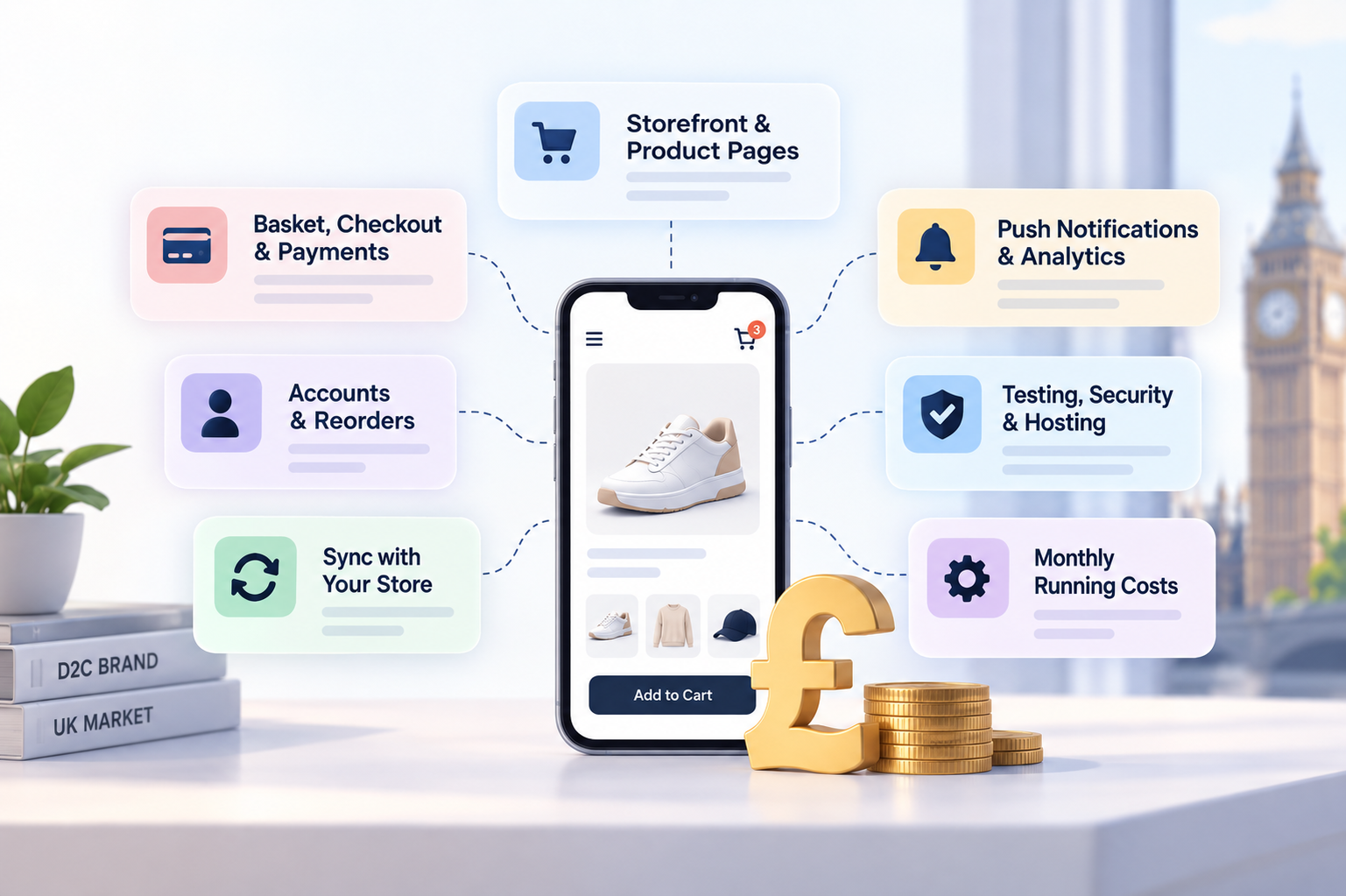
Reality: vibe coding trims the time spent drafting screens. It does not trim payments, store sync, subscriptions or testing. A focused first release typically costs tens of thousands of pounds, and quotes differ by what is included. When you look at D2C brand app development in UK suppliers, ask for the price in lines:
- Storefront and product pages
- Basket, checkout and payments
- Accounts and reorders
- Sync with your store
- Push notifications and analytics
- Testing, security and hosting
- Monthly running costs
If a supplier is far cheaper than the rest, find the missing line. A custom DTC app with vibe coding should be quicker to draft, not lighter on safeguards.
3.1 What do UK brands forget to budget?
Myth: the build quote is the whole cost.
Reality: running costs follow. Add hosting, payment fees, push and email tools, analytics, app store accounts and monthly fixes. Show prices to customers including VAT, as UK consumer pricing rules expect, and let your accountant check how app sales are recorded. A good supplier of D2C brand app development in UK lists these lines before you sign, and a custom DTC app with vibe coding should never bring surprises. Teams that hire vibe coders for D2C ecommerce in UK should be able to give you a monthly figure.
4. Can vibe coders build subscription ordering?
Myth: subscriptions are too complicated for AI-assisted builds.
Reality: the screens are simple and the billing is where care is needed. The AI can draft the plan picker, delivery calendar and skip button. A senior engineer should own the payment rules: failed cards, pauses, price changes and refunds. Use a payment provider's recurring billing tools rather than writing billing from scratch.
4.1 Do UK consumer rules affect subscriptions?
They can. The Consumer Contracts Regulations give buyers cancellation rights for many online purchases, and UK rules on recurring payments and clear cancellation are evolving. We are not lawyers, so take advice on your terms. Build a visible cancel button and clear renewal reminders from the start. Teams that hire vibe coders for D2C ecommerce in UK work should expect these screens in the scope.
4.2 Is subscription churn unavoidable?
Myth: customers will always cancel.
Reality: many cancellations are accidents, such as an expired card. Ask about dunning, the retry and reminder flow after a failed payment. Easy pausing, skipping and changing frequency also keep customers who just need a break. Ask any D2C brand app development in UK partner to demonstrate a failed renewal on a test account. A custom DTC app with vibe coding earns trust when the awkward cases work, and when you hire vibe coders for D2C ecommerce in UK, make that demo part of acceptance.
5. How does an app raise customer lifetime value?
Myth: more downloads means more value.
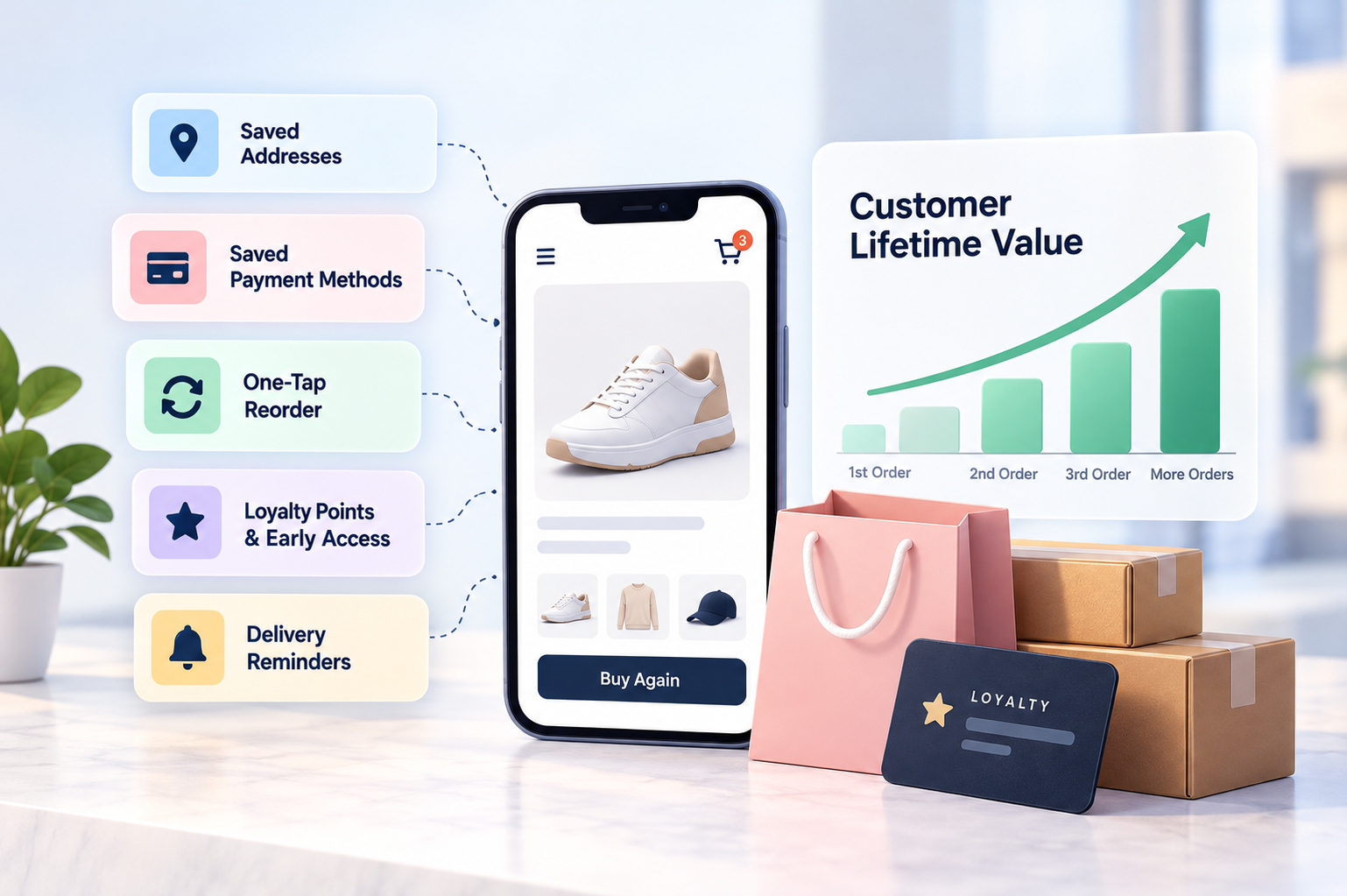
Reality: value rises when the second and third orders get easier. Saved addresses, saved payment methods, one-tap reorder and delivery reminders all remove friction. Loyalty points and early access give reasons to return. Measure orders per customer before and after launch, not installs.
5.1 How do I move web customers into the app?
Myth: customers will find the app by themselves.
Reality: you have to invite them. Add a prompt to the order confirmation page, include an app-only perk in shipping emails and put a QR code in the parcel. Offer something small, such as early access to a drop, for the first reorder in the app, which is how a custom DTC app with vibe coding earns its early repeat orders. A strong D2C brand app development in UK plan includes this migration step from day one.
5.2 Which numbers prove the app is working?
Myth: ratings and downloads tell the story.
Reality: track repeat purchase rate, orders per customer, time between orders, push opt-in rate and the share of revenue from the app. Compare app buyers with web buyers over the same months. A team offering D2C brand app development in UK should build these dashboards at launch. If you hire vibe coders for D2C ecommerce in UK, agree the metrics before the first screen is drawn, because a custom DTC app with vibe coding is easiest to defend with numbers.
6. Can it sync with Shopify or WooCommerce?
Myth: a custom app means abandoning your store.
Reality: the opposite. Most brands keep Shopify or WooCommerce for catalogue, stock and orders, and the app sits beside it as another front door. Products and stock flow into the app. Orders placed in the app flow back to the store, so fulfilment does not change. Ask how the team behind your custom DTC app with vibe coding handles retries, duplicate orders and stock mismatches.
6.1 Can vibe coders build a headless storefront?
Yes. A headless approach separates what customers see from the commerce engine behind it, so one catalogue can power an app and a website. It costs more than a basic app, so choose it when design control or speed matters. If you hire vibe coders for D2C ecommerce in UK projects, ask what stays on your platform and what moves.
6.2 What breaks when stores and apps sync?
Myth: sync is a one-time setup.
Reality: stock mismatches, delayed webhooks, duplicate orders and discount codes that behave differently in the app are the usual problems. Ask for retry logic, an error log and an alert when sync fails. A supplier with real D2C brand app development in UK experience will describe these cases unprompted. When you hire vibe coders for D2C ecommerce in UK, treat sync tests as acceptance criteria for any custom DTC app with vibe coding.
7. Which loyalty features work best?
Myth: loyalty needs a complex gamified system.
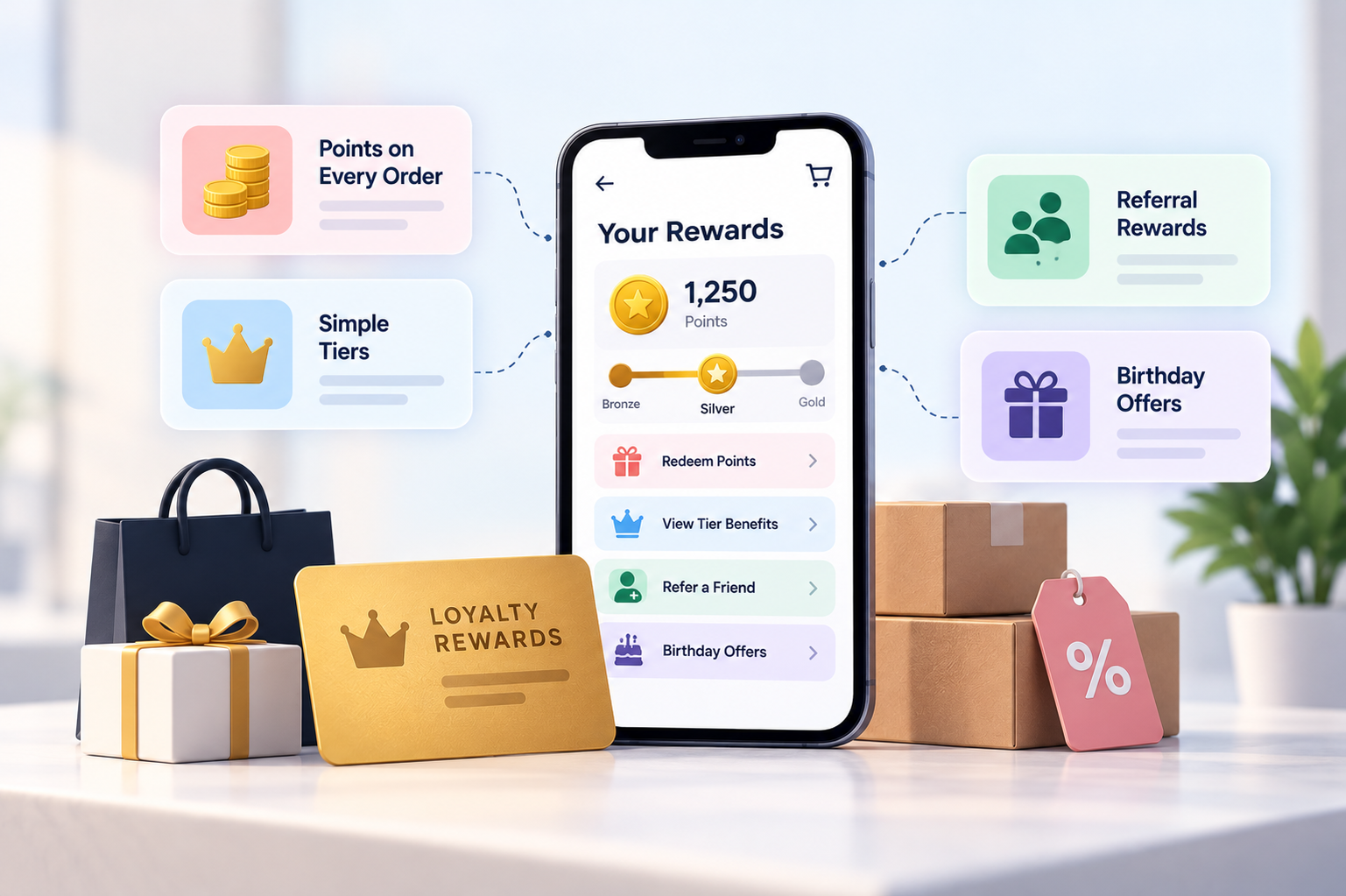
Reality: simple wins. Points on every order, tiers that unlock early access, referral rewards and birthday offers cover most needs. Store the rules as settings so marketing can change them without a release, and cap rewards so they do not eat margin. Use this short list when you scope a custom DTC app with vibe coding:
- Points with a clear redemption path
- One or two tiers, not five
- Referral links that reward both sides
- Saved reorders and subscription perks
7.1 Will loyalty rewards eat my margin?
Myth: more rewards always mean more loyalty.
Reality: unlimited rewards can hurt margins. Cap them, set expiry dates and tie the best perks to behaviours you want, such as reordering. Model the cost of points per order before launch and test the rules with a small group. A custom DTC app with vibe coding makes rule changes quick, and a partner in D2C brand app development in UK can help you tune them. If you hire vibe coders for D2C ecommerce in UK, keep the reward rules in settings, not in code.
8. How long does it take to build?
Myth: AI means a finished app in a weekend.
Reality: a prototype can appear in days, and that speed is genuine. A launch-ready app takes longer. Plan for a short scoping phase, a build phase covering storefront, checkout, sync and notifications, then testing and app store review. Review time sits outside anyone's control, so submit early. Founders who hire vibe coders for D2C ecommerce in UK work should ask to see these steps on the plan.
8.1 What does a sensible launch look like?
Myth: launch day is the finish line.
Reality: start with a soft launch to your most loyal customers, fix what they find, then open the app to everyone. Announce it through email, parcel inserts and social posts. An app improves fastest in its first month of real use, so ask your D2C brand app development in UK team to stay on for support. Brands that hire vibe coders for D2C ecommerce in UK should book that support before signing, particularly for a custom DTC app with vibe coding.
8.2 How do push alerts recover abandoned baskets?
They remind people who left items behind, with a short message, a back-in-stock alert or a time-limited offer. In the UK, marketing messages fall under privacy and electronic communications rules, so ask for consent at a sensible moment, such as after a first order, and make opting out easy. Check your consent wording with an adviser.
8.3 How do I track app conversions?
Add events for product views, add to basket, checkout start and purchase from the first release. Connect them to your analytics tool and compare app buyers with web buyers over the same months. Keep UK GDPR in mind: collect only what you need and explain it in your privacy notice. D2C brand app development in UK should include a consent screen as standard.
8.4 How should I brief the team?
Share your repeat-purchase data, your top ten products, your brand guidelines and the three actions you want customers to take in the app. A short brief saves weeks. Give the team access to your store sandbox early and agree who approves designs. Founders who hire vibe coders for D2C ecommerce in UK with a clear brief usually launch sooner, and D2C brand app development in UK goes best when one person owns decisions.
9. Conclusion
Most of the myths fail the same test: do your customers come back? If yes, a custom app can be worth the effort. Keep your store as the source of truth, spend first on billing, sync and testing, ask for consent before messaging and judge success by repeat orders. When you hire vibe coders for D2C ecommerce in UK work, look for a team that can show a shipped app and a clear review process. Treat a custom DTC app with vibe coding as a channel you own, and treat D2C brand app development in UK as a process, not a product.
10. Frequently Asked Questions
What risks come with AI-built storefronts?
The main risks are untested checkout logic, weak data handling and code nobody understands. Human review, automated tests and clear code ownership reduce all three in a custom DTC app with vibe coding.
Agency or freelancer for D2C?
A freelancer suits a small, well-defined build. An agency offering D2C brand app development in UK suits sync, subscriptions and ongoing support. Ask who reviews the code and who answers when something breaks.
Why choose ArixLabs?
ArixLabs builds with vibe coding under senior engineering review and has delivered 100+ production apps. If you want to hire vibe coders for D2C ecommerce in UK, ask us for our review process. For D2C brand app development in UK, we keep billing and sync logic human-reviewed and hand you code you own.
%20(1).jpg)

View more blogs
.png)
.png)
.png)

.png)
Ready to develop your own product? Get in touch today!
Get in Touch