



1. The Shift Nobody Expected in App Development
A lot of apps in 2026 don’t start with code anymore. They start with a sentence.
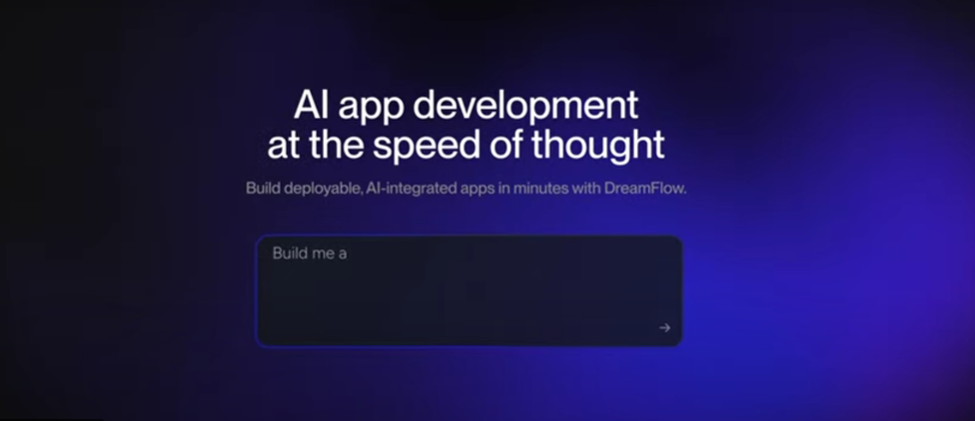
Someone types, “Make me a food delivery app with live tracking and dark mode,” and within minutes there’s already a usable layout on the screen. That’s why AI app building is moving so fast right now.
People started calling this workflow vibe coding because it feels less rigid than traditional development. You describe the idea, tweak the results, regenerate parts, and keep moving. Less setup. Less repetitive frontend work.
Tools like DreamFlow are pushing that shift even further. Instead of building every screen manually, users guide the AI and shape the app as they go.
And honestly, that changes the entry barrier completely. A modern no-code AI app builder can help non-technical founders test ideas without spending months learning development first.
AI still won’t replace experienced developers anytime soon. But it’s definitely changing how apps get started.
2. What DreamFlow Actually Does
The easiest way to explain DreamFlow? It turns rough ideas into app screens ridiculously fast.
You type something simple like, “Create a travel planner app with trip tracking and chat,” and the platform starts generating layouts, navigation, and UI sections almost immediately. Not final production code. But enough to work with.
That’s why people are paying attention to AI app building right now. The first version of an app no longer takes days of setup.
What makes the experience different is the interaction style. With vibe coding, users keep adjusting the app through prompts instead of manually rebuilding screens every time something changes. It feels closer to directing than coding.
Some builders are also pairing these workflows with FlutterFlow AI for more visual control during frontend customization.
And honestly, that’s the biggest advantage. Teams can build apps with AI quickly, test ideas faster, and throw away bad concepts before wasting weeks on development.

3. Why Developers and Founders Are Paying Attention
The biggest reason is simple: speed.
A few years ago, testing an app idea meant hiring designers, building wireframes, setting up frontend flows, and waiting weeks before anyone could even click a prototype. Now a founder can open a prompt-based tool and get a working draft before lunch.
That changes decision-making completely.
Instead of debating ideas endlessly, teams can test them early. Bad ideas fail faster. Good ideas move quicker. That’s a huge reason AI app building tools are spreading across startups in 2026.
Developers benefit too. Nobody enjoys rebuilding the same login flow or dashboard structure over and over again. Tools like DreamFlow remove a lot of that repetitive setup work, which means developers spend more time refining products instead of scaffolding them.
There’s also less friction between design and development now. With vibe coding, the gap between “idea” and “something visible on screen” became much smaller.
That doesn’t mean AI suddenly builds perfect apps. It doesn’t. But it dramatically speeds up the early stages of product development.
4. Inside the Vibe Coding Workflow
Most people don’t start with detailed specs anymore. They start messy.
Something like: “Make a budgeting app for students. Add reminders. Keep it simple.”
That’s enough for the AI to begin generating screens and flows.
Then the back-and-forth starts. One screen looks too crowded, so you regenerate it. The dashboard feels boring, so you change the style. Need another feature? Add another prompt and keep moving.
That’s basically the core of vibe coding. The workflow feels less like traditional development and more like shaping ideas in real time.
A lot of teams are mixing these workflows with FlutterFlow AI because it gives them more visual control once the initial structure is generated. Others use a no-code AI app builder only for fast prototyping, then rebuild parts manually later.
The biggest difference is momentum. With modern AI app building, ideas reach the “usable prototype” stage much faster than they used to.

5. Can AI-Built Apps Actually Scale?
Right now, AI is very good at helping teams start apps. Scaling them is a different conversation.
Tools like DreamFlow can generate clean UI, basic flows, dashboards, and onboarding systems quickly. For MVPs, that’s usually enough. The problem starts when apps become more complex.
Payments, large databases, advanced permissions, heavy traffic, custom APIs — that’s where experienced developers still matter a lot.
This is why most serious teams don’t fully rely on AI-generated output. They use AI for acceleration, not replacement.
Even companies trying to build apps with AI still spend time refining performance, improving security, and restructuring parts of the architecture later. AI speeds up the first 60–70% surprisingly well. The last part still needs human decisions.
That said, the gap is shrinking fast.
A year ago, many AI-generated apps looked rough and disconnected. In 2026, some prototypes created through AI app building workflows already look close to production-ready after a few iterations.
That’s a big reason investors, founders, and agencies are watching this space closely.
6. Why 2026 Feels Like a Turning Point
The interesting thing about this shift is how quickly opinions changed.
A few years ago, people treated AI-generated apps the same way they treated early no-code tools — useful for demos, maybe, but not serious products. That skepticism is fading now because the quality improved fast.
The combination of conversational workflows, smarter UI generation, and tools like FlutterFlow AI made modern AI app building feel practical instead of experimental.
Startups especially are moving quickly here. Small teams can test ideas without burning months on development cycles first. That matters when speed decides whether a product survives or disappears.
There’s also a bigger accessibility shift happening. More non-technical founders can now build apps with AI without needing to understand every frontend framework or backend workflow from day one.
Will AI replace developers? Probably not.
But it’s already changing how products get designed, prototyped, and launched. And honestly, that change happened much faster than most people expected.
7. Conclusion
The biggest shift in 2026 isn’t that AI can suddenly build perfect apps. It’s that creating the first version of an app became dramatically easier.
That’s why vibe coding is spreading so quickly. Teams spend less time setting things up and more time testing ideas, refining products, and moving faster.
Tools like DreamFlow won’t replace developers, but they are changing how modern apps get started. And for startups trying to move quickly, that advantage is hard to ignore.
%20(1).jpg)

View more blogs



%20%5Bweb-search%5D_a_Generate_a_cover_ima%20(1).png)
.png)

.png)

Ready to develop your own product? Get in touch today!
Get in Touch